MasterChef Australia is much-loved for its warm and nurturing environment. A sense of togetherness and competition, as millions of Australians watch humble home cooks compete to kickstart their careers in the food industry.
Showcasing diversity and innovation, MasterChef Australia is about delicious food, relatable cooking and always guarantees awe-inspiring moments.
Introducing renewable gas.
The two types we’re showcasing on MasterChef are:
Biomethane – gas that comes from naturally occurring organic materials like wastewater and agri-waste, as well as landfill.
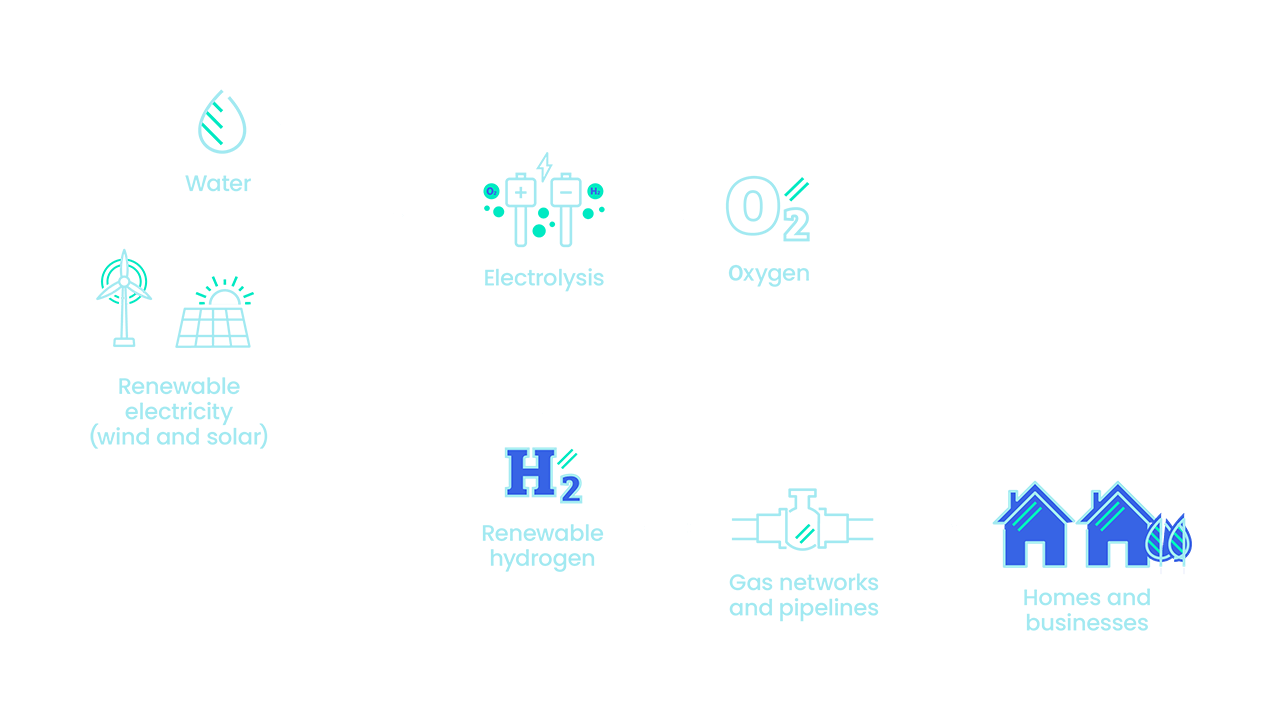
Hydrogen – gas made by splitting water into hydrogen and oxygen. When renewable electricity is used for this process, the hydrogen is renewable..
Home grown and a MasterChef world first in series 16, renewable gas has returned to season 17 of the iconic Australian series.
Every contestant in the MasterChef kitchen will cook on 100% biomethane.
A continuous supply of biomethane will power the MasterChef kitchen for the entire competition.
Installation of custom storage and supply equipment on set for provision of renewable gas.
We are proud to once again partner with Network 10 and MasterChef Australia to be part of showcasing the future of cooking.
50%
Almost half of all household energy in Australia is provided by gas
55%
Aenean massa. Cum sociis natoque.
MasterChef Australia behind the Scenes – How did we make it happen?
Australia’s gas industry worked with MasterChef Australia production crew to supply, transport, store and install the renewable gas supply that powers the cooktops in the MasterChef kitchen
Step 1: Supply.
As in 2024, we sourced supplies from around Australia. Biomethane was sourced from Jemena’s Malabar Biomethane Facility in NSW, green hydrogen from ATCO in WA. Supplies of biomethane and hydrogen are becoming more available as projects are rolled out across the country.
Step 2: Transport.
Solstice Energy provided the transport to the set using their existing transport and storage infrastructure. Carbon offsets for travel were acquired as part of our commitment to sustainability.
Step 3: Store and Install.
We safely stored the gases out of sight from set, with a configuration of plumbing very similar to natural gas in your home – with the exception of pressure reduction and storage for Biomethane. A special set up thanks to Pacific Energy and Bourke Plumbing ensured the pressure was just right. Not like the pressure of cooking on national TV!
We couldn’t have done this without the support of the Melbourne Showgrounds and oversight from the gas technical and safety regulator.
It took a great partnership of industry peers to bring this project to life
is the main contractor to Solstice Energy. In this instance, they’re experts in gas storage transport and even hydrogen transport and storage with decades of experience.
completed the gas fitting line that connects the biomethane storage to the individual cooktops. Previously MasterChef ran on LPG bottles, so we installed fitting lines so gas could be piped directly to each benchtop. Biomethane and even hydrogen don’t require specialised fitting lines or equipment and is within the existing skillset of licenced plumbers and gas fitters. The fitting line at MasterChef Australia was constructed to existing standards and was inspected and approved by the technical regulator.
transported the biomethane from Malabar to the Melbourne Showgrounds and provided the gas storage infrastructure on site for storing the biomethane on set using their existing natural gas transport system (biomethane has same properties as natural gas).
Hydrogen supply
ATCO supplied green hydrogen (otherwise known as renewable hydrogen) for special use. Made using renewable electricity (such as wind and solar), Hydrogen emits no carbon emissions when used for heat.
55%
Aenean massa. Cum sociis natoque.
H2O
(water) can be split into
hydrogen and oxygen
What is
hydrogen?
Hydrogen is the simplest and most common element in the known universe. If you studied chemistry in high-school, you’ll know that it’s number 1 on the periodic table.
Why
hydrogen?
When produced using renewable energy, hydrogen gas is 100% clean, sustainable and renewable. When used as a fuel, it emits just heat and water. In both situations, there are zero carbon emissions – which is great for the environment!
Hydrogen is colourless, odourless, non-toxic and is an excellent carrier of energy. It can also be delivered to homes and businesses through existing low-pressure pipelines, so there’s no need to buy or build expensive new infrastructure.
Renewable hydrogen is a great replacement for natural gas because it can be used in the same way for heating, hot water and cooking appliances like your oven, cooktop or barbeque. It can also be used to generate electricity or as a fuel for vehicles.
It’s considered a fuel of the future as it has a low impact on the environment and because it can be stored in large volumes within the current gas network for when its required – just like a battery for the whole country.
How is hydrogen made?
There are a number of ways to make it, but the hydrogen gas delivered to your home is produced by an electrolyser. Water is pumped into the electrolyser, where it’s separated into hydrogen and oxygen.
This process is called electrolysis – and while it might sound futuristic – it’s not new at all!
By using renewable energy (electricity generated from wind and solar), the electrolyser process is carbon-free!
Once created, the hydrogen will initially be blended with natural gas, placed into the pipelines and delivered to your home.
Electrolysis has been around since the 1800s and used commercially since the middle of the 20th century. Its use is quickly growing around the world as the world’s focus is on developing low carbon energy.
What does renewable gas mean for me?
Find out what the change to renewable gas means for you.